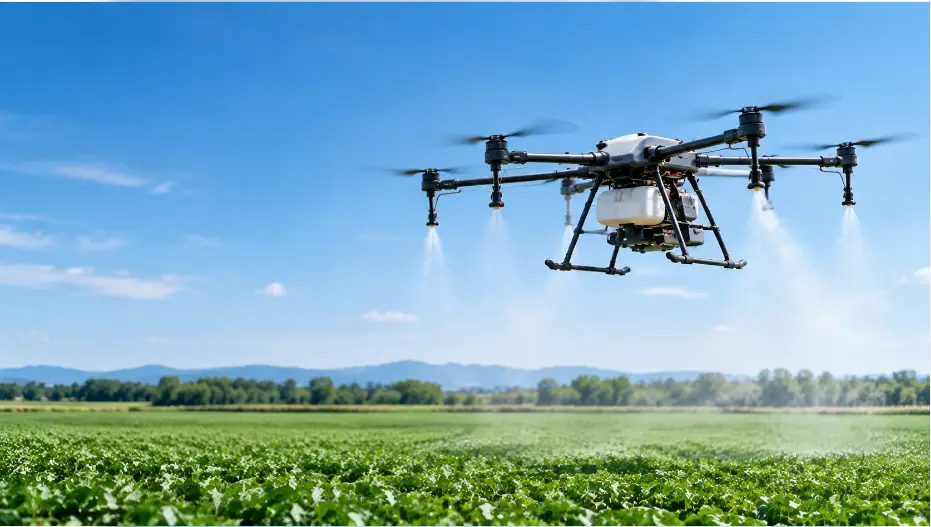
With the booming development of the low-altitude economy and intelligent manufacturing, industrial-grade drones are gradually becoming the main tool for inspecting various types of infrastructure. They demonstrate advantages such as high efficiency, low risk, and flexible deployment in scenarios involving power, new energy, communications, and energy pipelines, gradually replacing traditional manual operation methods.
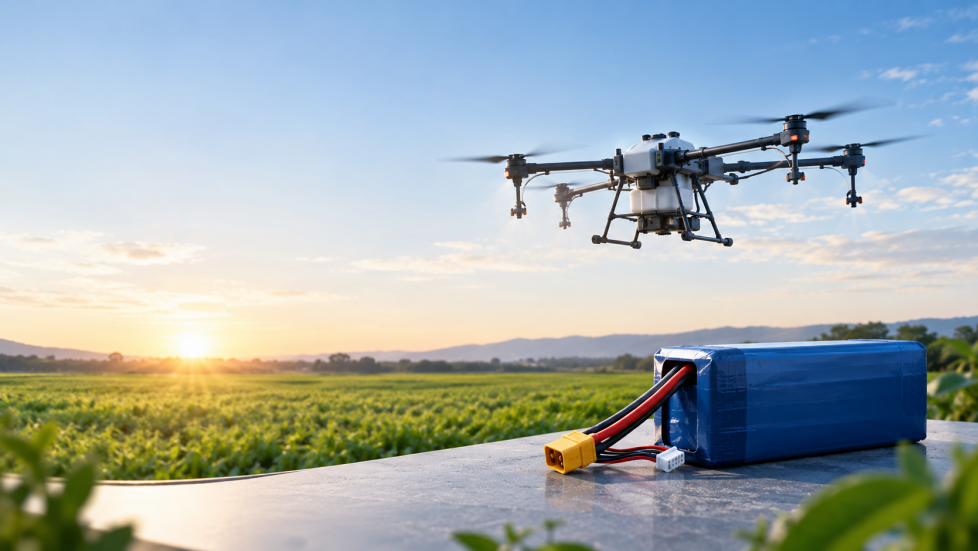
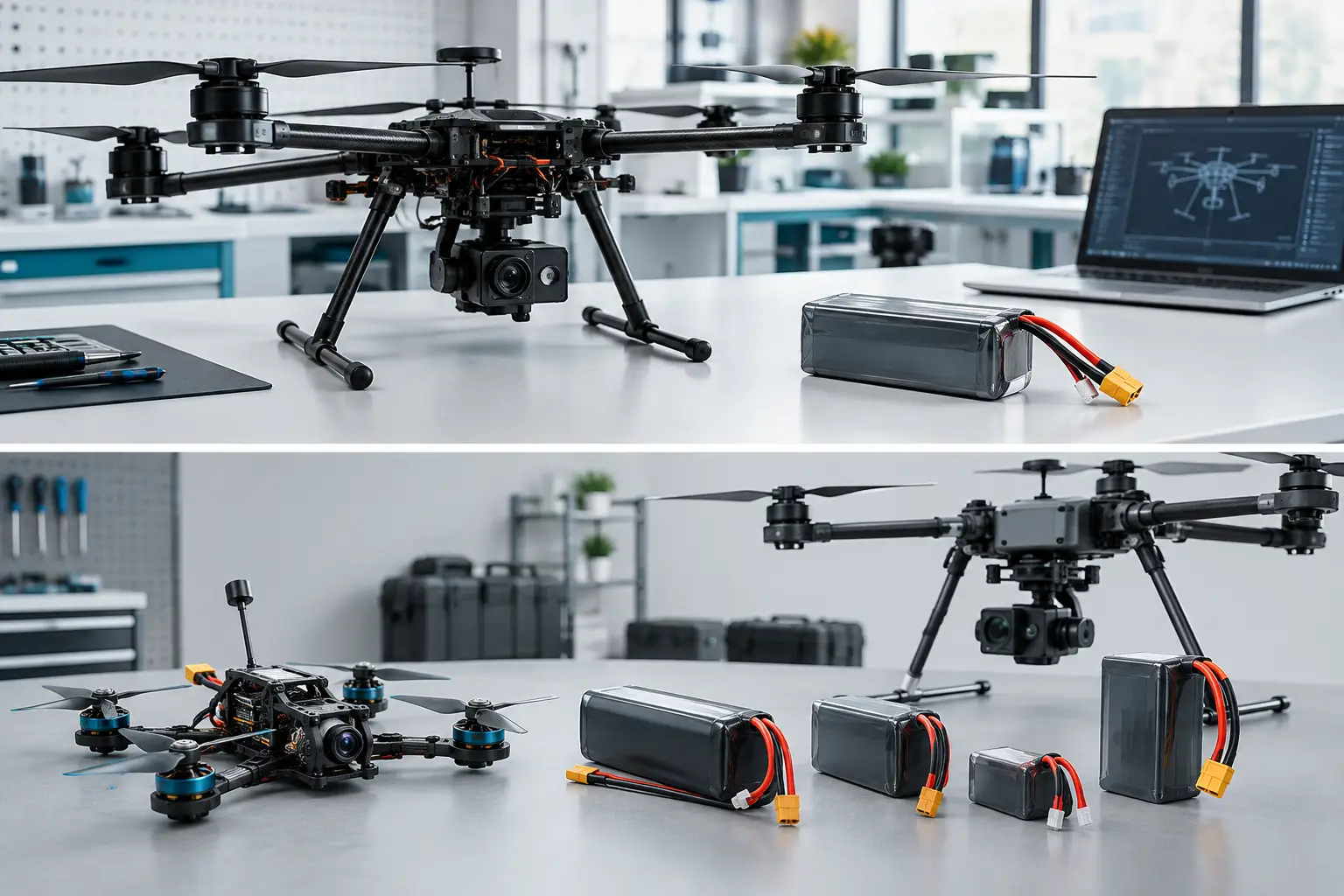
As the core power unit of drones, battery performance directly affects flight time, flight safety, payload performance, and mission execution efficiency, and is crucial for ensuring the reliable operation of inspection systems.
Ⅰ. Market Trends: From Local Trials to Widespread Deployment
In recent years, the Chinese inspection drone market has achieved large-scale application. Taking power inspection as an example, its market size approached 7 billion yuan in 2023 and maintains a rapid growth trend. The photovoltaic and wind power sectors are also developing rapidly, and railway, petrochemical, and municipal inspections are also continuously expanding.
Ⅱ. Core Technology: Batteries Define Capability Boundaries
Industrial drones have stringent requirements for long endurance, high precision, and strong environmental adaptability, with batteries playing a decisive role:
Endurance: Long-distance, wide-area inspections rely on high-energy-density batteries, directly determining the coverage and operational efficiency of a single mission.
Voltage Stability: Precise flight control and data acquisition equipment require stable power output; voltage fluctuations can lead to data deviations or equipment malfunctions.
Safety Assurance: Operating in extreme climates or complex terrains, batteries must possess high safety features, including fire prevention, short-circuit protection, and intelligent temperature control management, to ensure the safety of equipment and personnel.
Therefore, high-performance batteries are the fundamental support for ensuring reliable and efficient drone inspections.
Ⅲ. Practical Applications: Intelligent Inspection and Emergency Response
Drones have been applied to diverse scenarios such as automated highway inspections, efficient railway line detection, and emergency material delivery, gradually building an “aerial intelligent inspection network” and an “emergency rescue channel.” In these tasks, battery endurance, environmental adaptability, and safety directly affect the success or failure of the mission.
Ⅳ. Challenges Faced
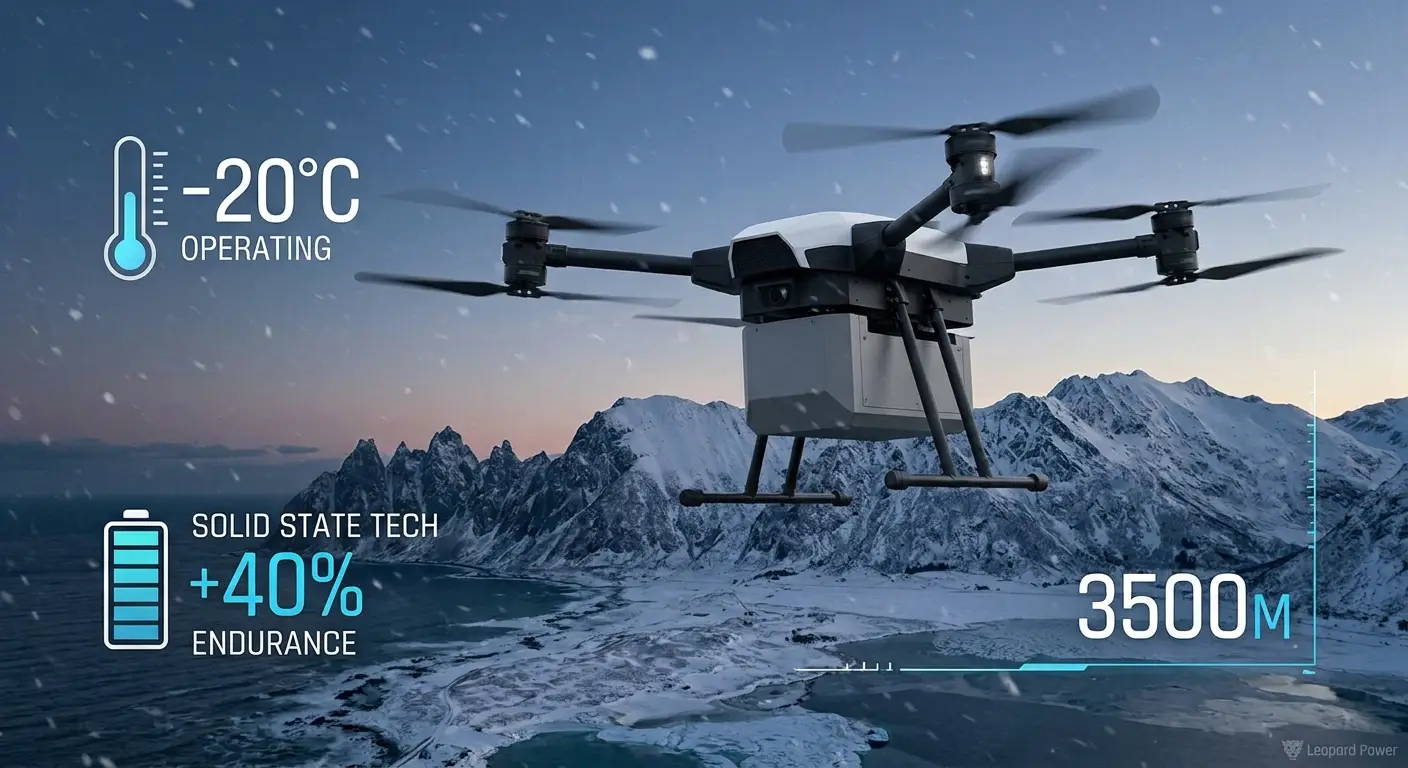
Currently, the industry still faces bottlenecks such as insufficient power endurance and performance degradation under extreme temperatures, limiting the ability of drones to operate for extended periods in more complex environments.
Ⅴ. Technological Advancements: Continuous Upgrades to Power Systems
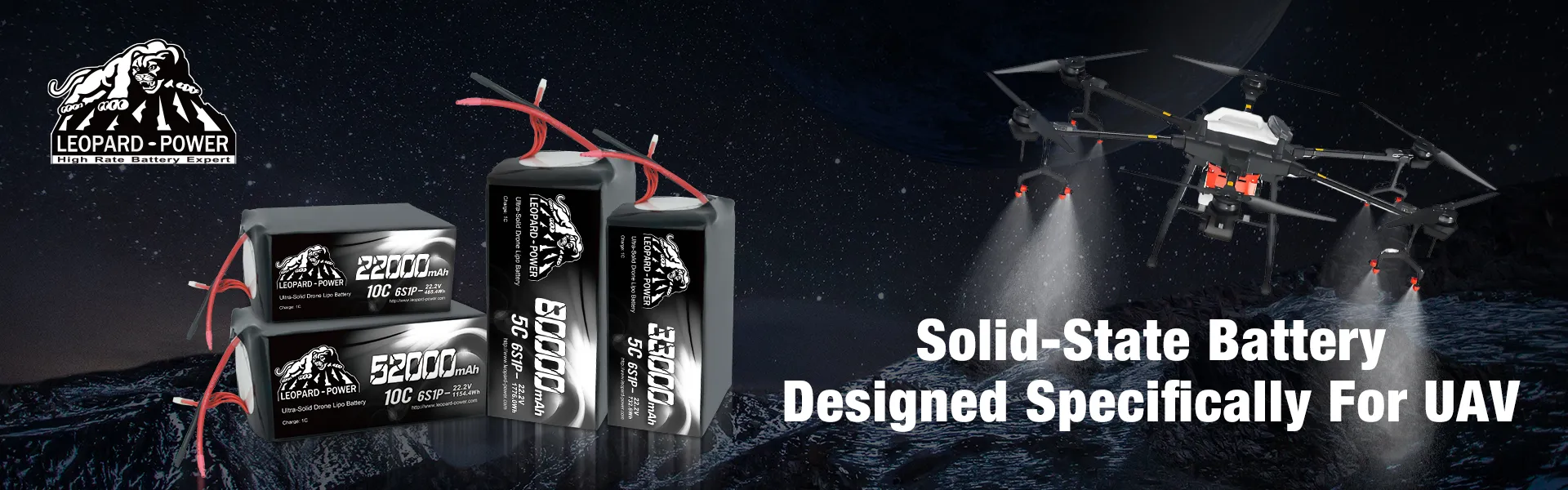
Next-generation battery technology has achieved breakthroughs in energy density, temperature adaptability, and charging efficiency. For example, the use of high-energy-density semi-solid-state batteries can significantly improve endurance, and wide-temperature-range designs support stable operation in extremely cold or high-temperature environments, thereby expanding the operational range and workload capabilities of drones.
Ⅵ. Outlook
Inspection drones are evolving from single tools to integrated systems. Batteries, as their key power source, will continue to drive progress in drone endurance, safety, and intelligence. With policy support and technological iteration, drone inspection will become more widespread, becoming an important force in industrial operations and maintenance and the development of the low-altitude economy.