Logistics and delivery are being reshaped, enabling faster and more efficient transportation of goods across diverse terrains and industries. Whether it’s medical supplies to remote areas or e-commerce packages in urban centers, these unmanned aerial vehicles are bringing innovative solutions to traditional supply chains.
I. What are Cargo Drones?
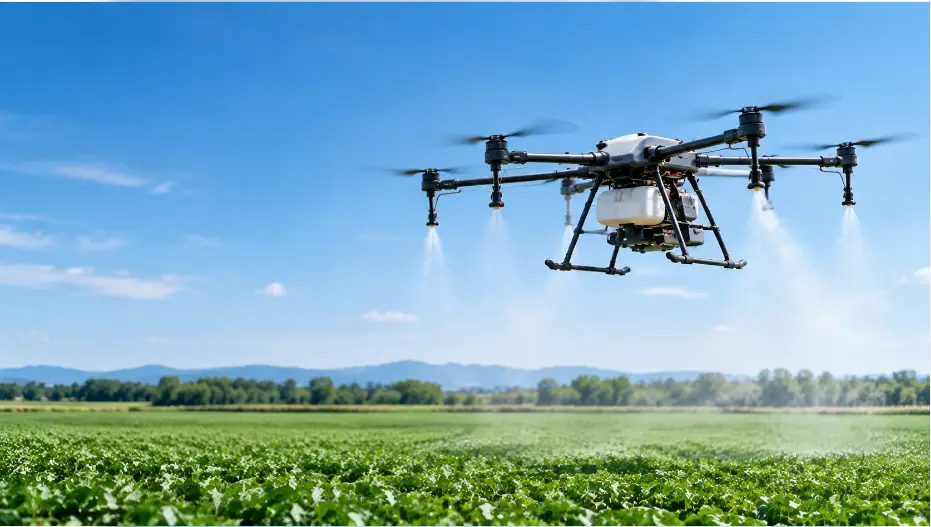
Cargo drones are specifically designed for transporting goods, including medical supplies, e-commerce packages, and industrial components. Platforms vary, including multirotor models with cargo pods, and fixed-wing or large vertical take-off and landing (VTOL) aircraft with longer flight ranges.
Unlike recreational drones, cargo drones are built for commercial applications and feature:
Robust structures to withstand prolonged, high-intensity operations;
Higher payload capacity to meet diverse transportation needs;
Longer flight range and enhanced safety, equipped with obstacle avoidance, redundant systems, and emergency mechanisms.
These drones utilize high-precision positioning, obstacle sensing, and real-time communication technologies to achieve fully autonomous flight and precise delivery along pre-set routes. Compared to ground vehicles, they offer superior speed in short-haul transportation, can bypass congestion, reach remote or disaster-stricken areas, and achieve zero emissions, injecting new sustainable energy into modern logistics.
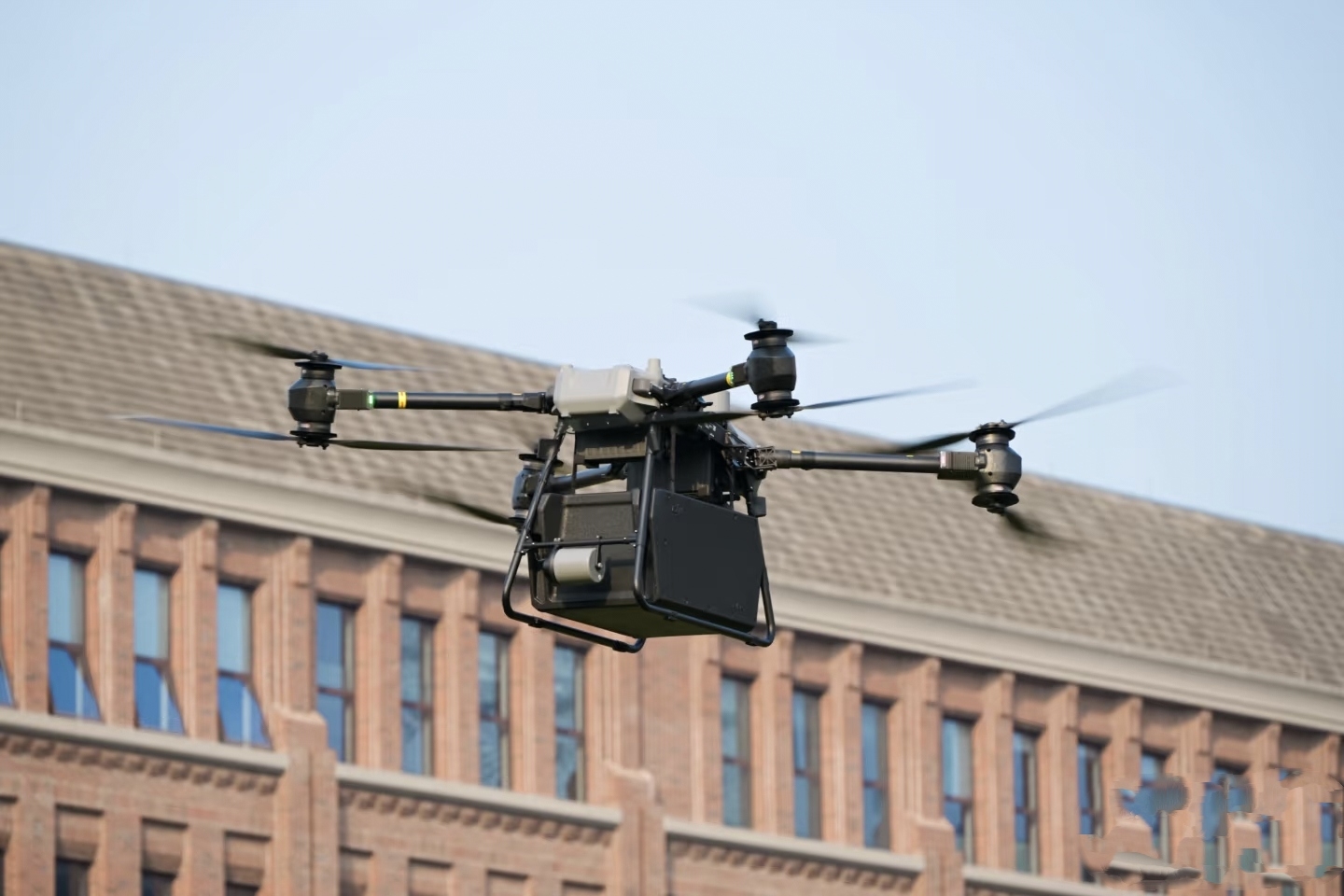
II. How Do Cargo Drones Work?
Their operation relies on the integration and collaboration of several advanced technologies to ensure safe, efficient, and reliable transportation.
1) Flight Control System: As the core component, it is responsible for maintaining flight stability, navigation, and autonomous operation. Using gyroscopes, accelerometers, and complex algorithms, it can maintain stable flight even in adverse weather conditions.
2) Navigation and Positioning: Modern models are often equipped with multiple navigation systems, including GPS, GLONASS, and increasingly, visual positioning. Redundant design ensures accurate navigation and landing even when signals are limited.
3) Payload Management: The payload system, designed specifically for the task, comes in various forms, from simple cargo compartments to intelligent hoisting systems that allow for controlled package delivery without landing.
4) Communication System: A powerful communication link supports real-time monitoring, control, and data transmission. Many models maintain continuous connection with ground stations via cellular networks, satellite communication, or dedicated radio. 5) Safety Mechanisms: Multiple redundant systems ensure flight safety, including emergency landing, obstacle detection and avoidance, electronic geofencing to prevent flight in restricted areas, and automatic protection functions triggered in case of malfunction.
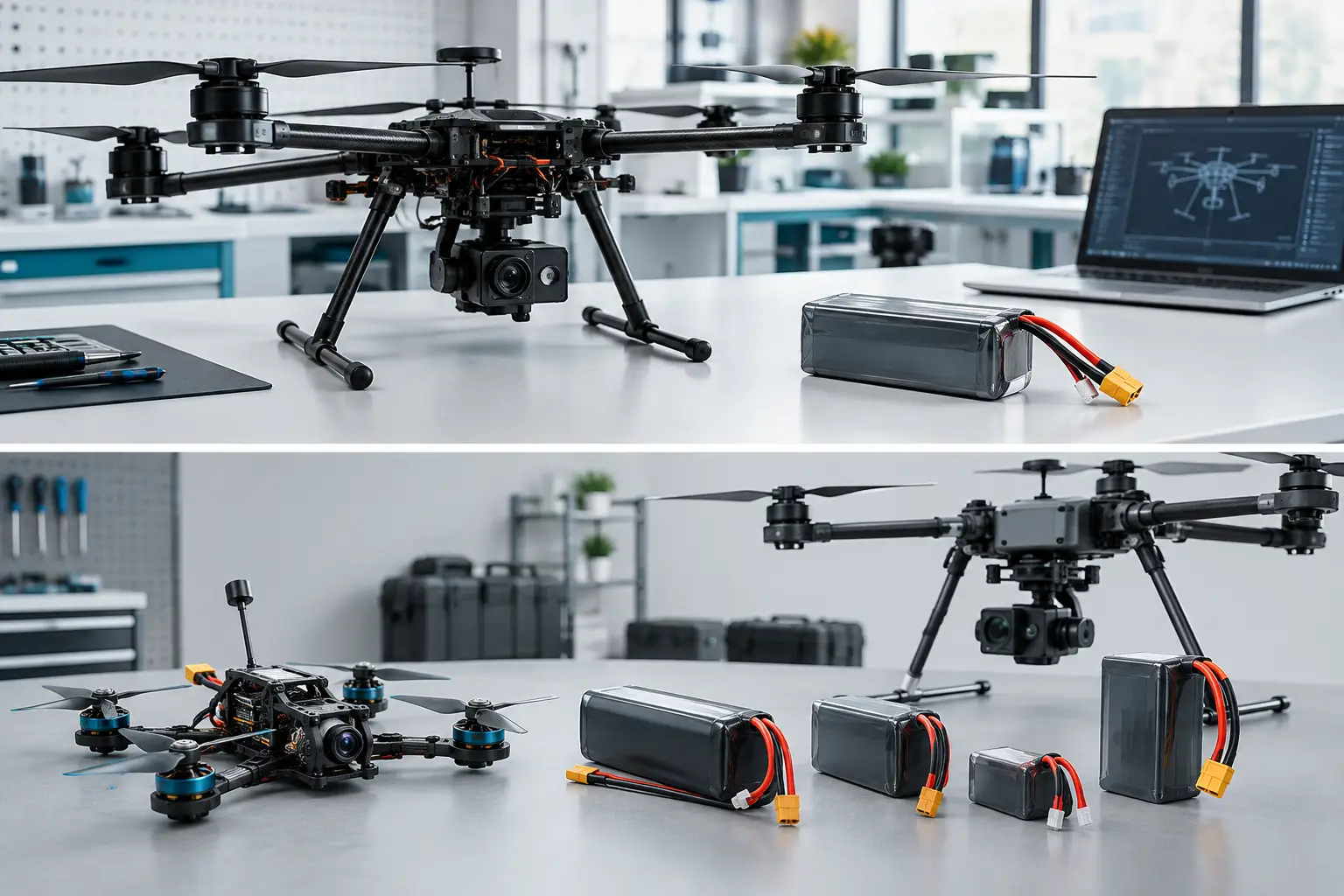
6) Power Management: Advanced battery systems optimize flight time and safety. Some models utilize hot-swappable batteries, hybrid propulsion, and even autonomous charging to improve operational efficiency.
III. How to Choose the Best Cargo Drone?
Choosing the right model is a crucial investment, and there is no one-size-fits-all solution; it depends on your specific needs. The following are key considerations to help you find the most suitable drone:
Payload Capacity: The primary question – how heavy are the goods you need to transport? Payload capacities range from a few kilograms to over 200 kilograms. Be sure to choose a model that can easily carry your maximum expected load; overloading will severely impact flight time, stability, and safety.
Range and Endurance: How far do you need to deliver? The range determines the operational radius, and you need to calculate the round-trip distance. Flight time is affected by payload, wind speed, and battery capacity. For medium to long-distance missions, fixed-wing or hybrid VTOL (Vertical Take-Off and Landing) models are more suitable than multi-rotor drones.
Flight Environment Durability: Where will you be flying? The requirements differ for controlled climate areas compared to high-wind mountainous regions, marine environments with salt spray, or extreme temperatures. Choose a model with a high protection rating and made of robust materials such as carbon fiber.
Cargo Type and Delivery Method: What kind of goods will you be transporting? The nature of the goods determines the required delivery mechanism. Common options include:
Cargo Compartment: A closed container suitable for standard packages.
Winch System: Allows for precise placement without landing, suitable for hard-to-reach areas or ship deliveries.
Suspension Hook: Used for transporting oversized or irregularly shaped items.
Regulatory Compliance: This is a non-negotiable aspect. For example, in the United States, models exceeding 55 pounds are subject to stricter aviation regulations. Ensure your chosen drone complies with local regulations, including remote identification, beyond visual line of sight (BVLOS) flight, and pilot qualification requirements.
Obstacle Avoidance System: 360° sensors detect and avoid obstacles.
Redundancy Design: Dual batteries, multiple positioning units, and backup motors and flight controllers that can take over if the main system fails.
Parachute System: Safely lands the drone and cargo in emergency situations.
Automation and Ease of Use: Modern cargo drones are highly autonomous. Evaluate whether the task planning software is user-friendly, with features such as automatic flight path planning, geofencing management, and fleet scheduling. An easy-to-deploy and operate system saves time and reduces training requirements.
IV. Conclusion
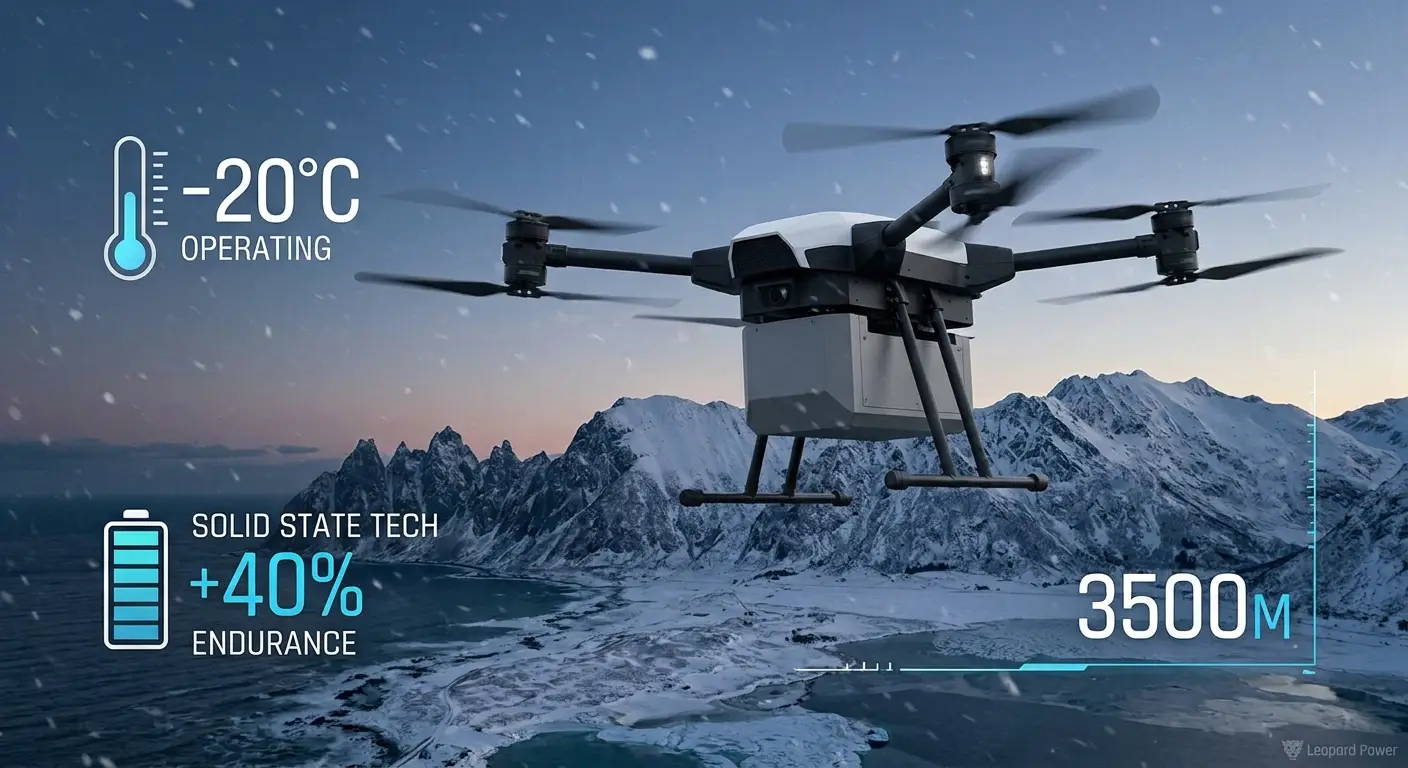
As a leading global manufacturer of lithium polymer batteries, Leopardpower is committed to driving industry advancements. We provide intelligent semi-solid-state batteries with high energy density and high power output. Our product line covers diverse voltage platforms and capacity specifications, fully meeting the demanding requirements of various cargo drones.