Rescue Drones: A Core Force and Technological Challenge in Modern Emergency Rescue Systems

Table of Contents

In the 21st century, marked by intensified climate change and frequent disasters, rescue drones are evolving from auxiliary tools into core equipment of emergency response systems. Market analysis shows that the global rescue drone market is projected to exceed $1.8 billion by 2025, with a compound annual growth rate of 23.7%. These drones, integrating multispectral sensors, artificial intelligence recognition systems, and precision delivery devices, demonstrate unprecedented capabilities in personnel search and rescue, material transportation, and disaster assessment, becoming crucial tools for saving lives.
图片1

I. Definition and Core Value of Rescue Drones

Rescue drones are unmanned aerial vehicles specifically designed for emergency situations. Their core mission is to assist in location, assessment, and initial rescue tasks in extreme or inaccessible environments. They are typically equipped with high-resolution optical equipment, thermal imaging sensors, precision positioning systems, and material delivery modules, providing rescue personnel with real-time, accurate on-site information and data support, thereby significantly improving the safety, speed, and overall efficiency of rescue operations.

II. Mainstream Rescue Drone Types and Applicable Scenarios

Based on aerodynamic layout and mission characteristics, rescue drones can be mainly divided into three categories:

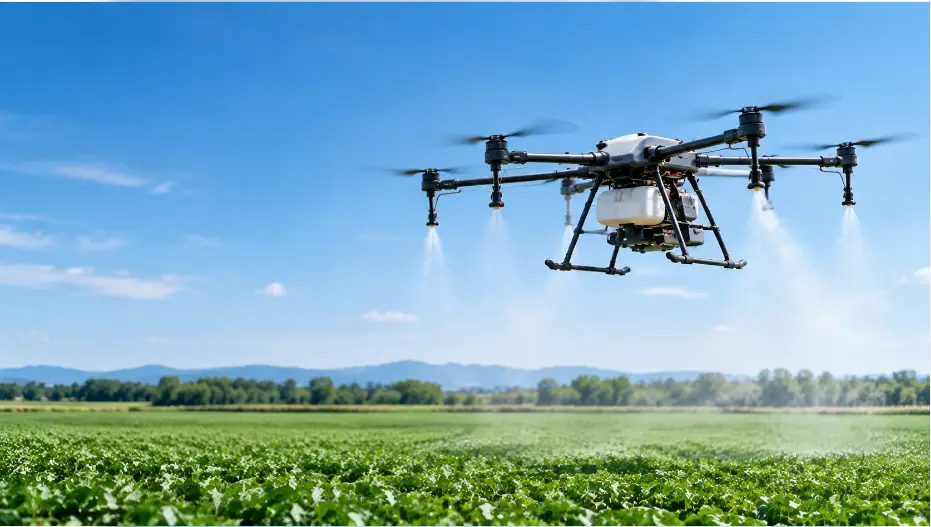
Multi-rotor Drones: Capable of vertical takeoff and landing (VTOL) and stable hovering, they offer excellent maneuverability and are suitable for close-range precision search, on-site monitoring, and light material delivery in complex and confined environments such as cities and forests.

Fixed-wing Drones: Adopting an aircraft-like layout, they offer long endurance and wide coverage, making them suitable for large-area search, coastline patrol, and large-scale post-disaster mapping.

VTOL Fixed-wing Drones: Combining the advantages of both, they offer vertical takeoff and landing and long endurance, making them suitable for comprehensive mission scenarios requiring both large-area search and takeoff/landing in complex terrain.

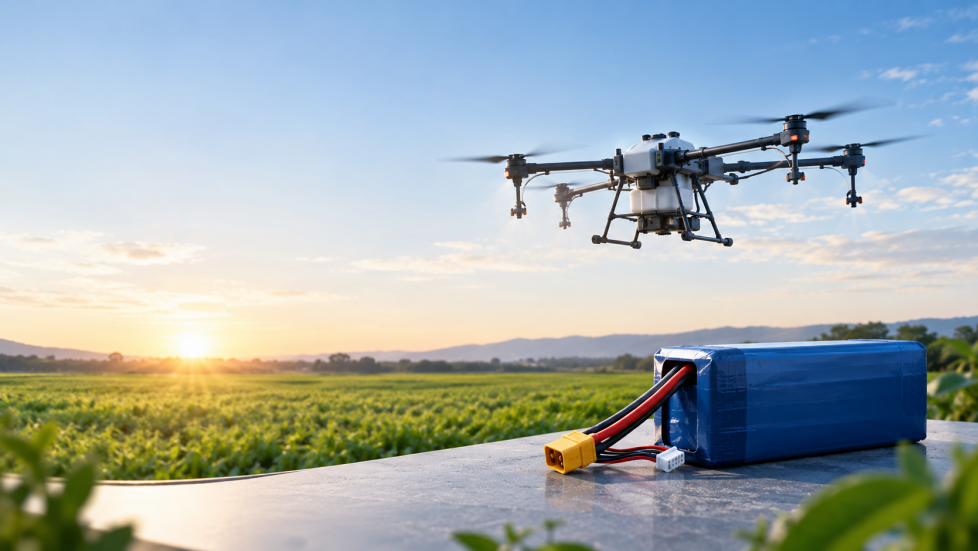
III. The Power Core of Rescue Drones: The Key Choice of Battery

As the core power source of the drone, the choice of battery directly affects the success or failure of the mission. The following factors must be carefully considered when selecting a battery:

Mission Duration and Flight Time Requirements: Battery capacity should be matched to the typical mission duration with sufficient redundancy.

Payload Weight: The weight of the onboard cameras, sensors, or rescue supplies directly affects power consumption. A battery that provides sufficient power without significantly shortening flight time must be selected.

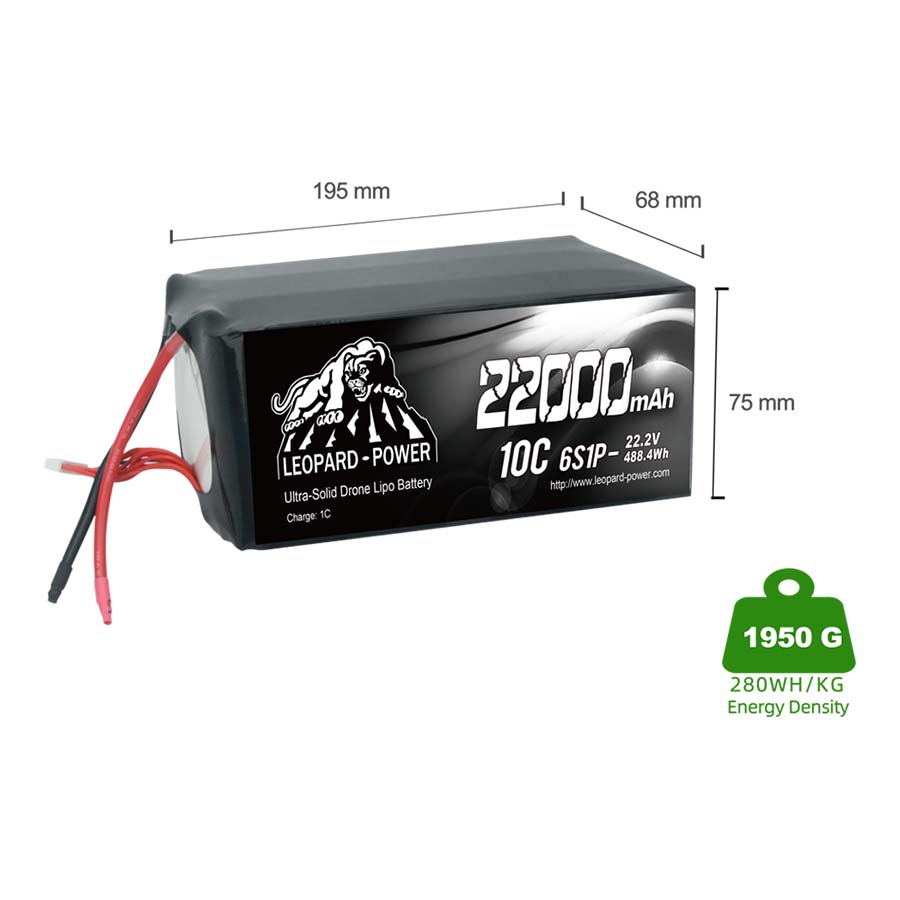
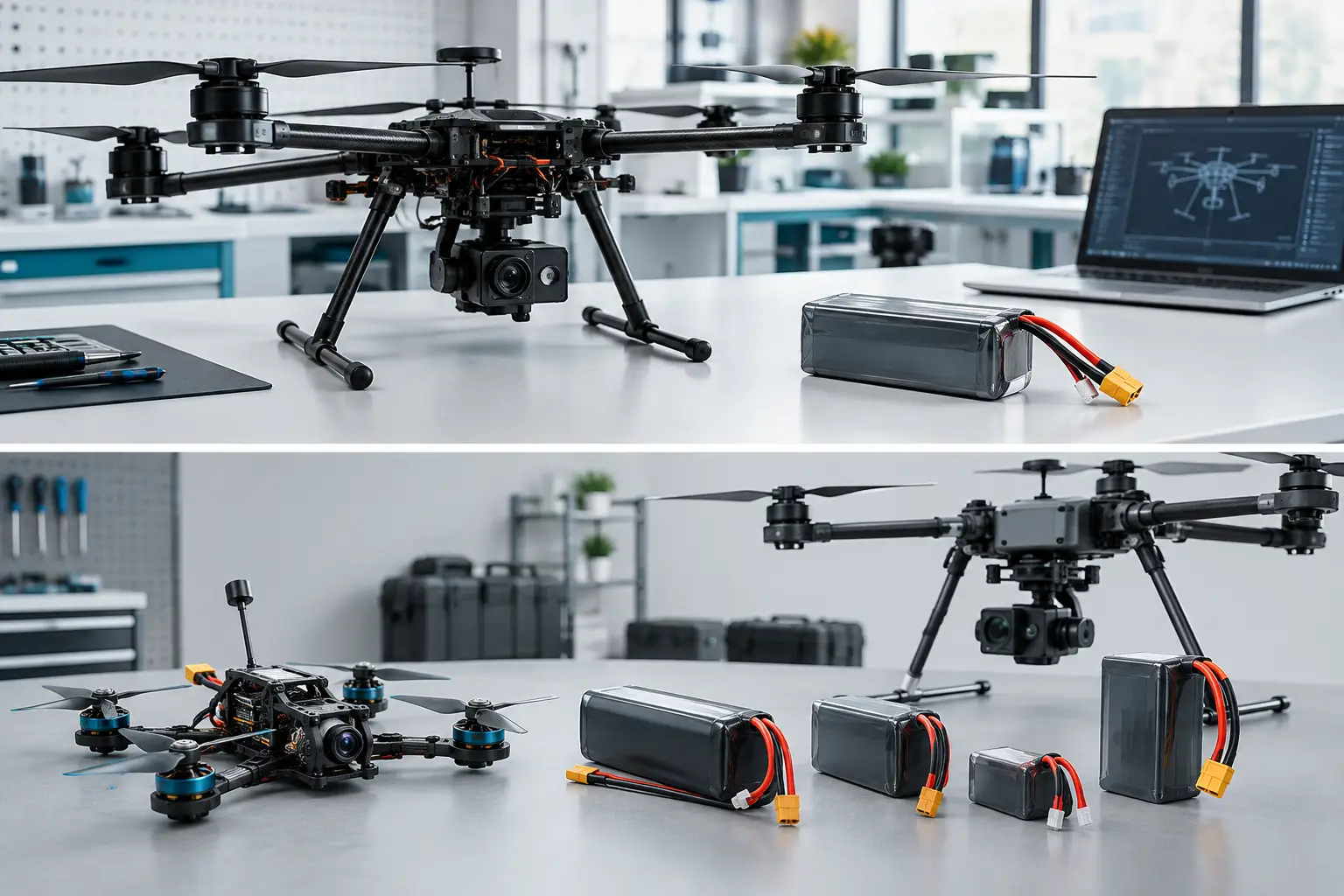
Battery Specifications: Currently, lithium polymer batteries are the mainstream choice. Capacity, voltage, and discharge rate must be considered comprehensively. Higher capacity extends flight time but increases weight, while a suitable discharge rate ensures sufficient power for the drone during heavy-load or maneuvering flights.22Ah 10C 6S 280能量密度

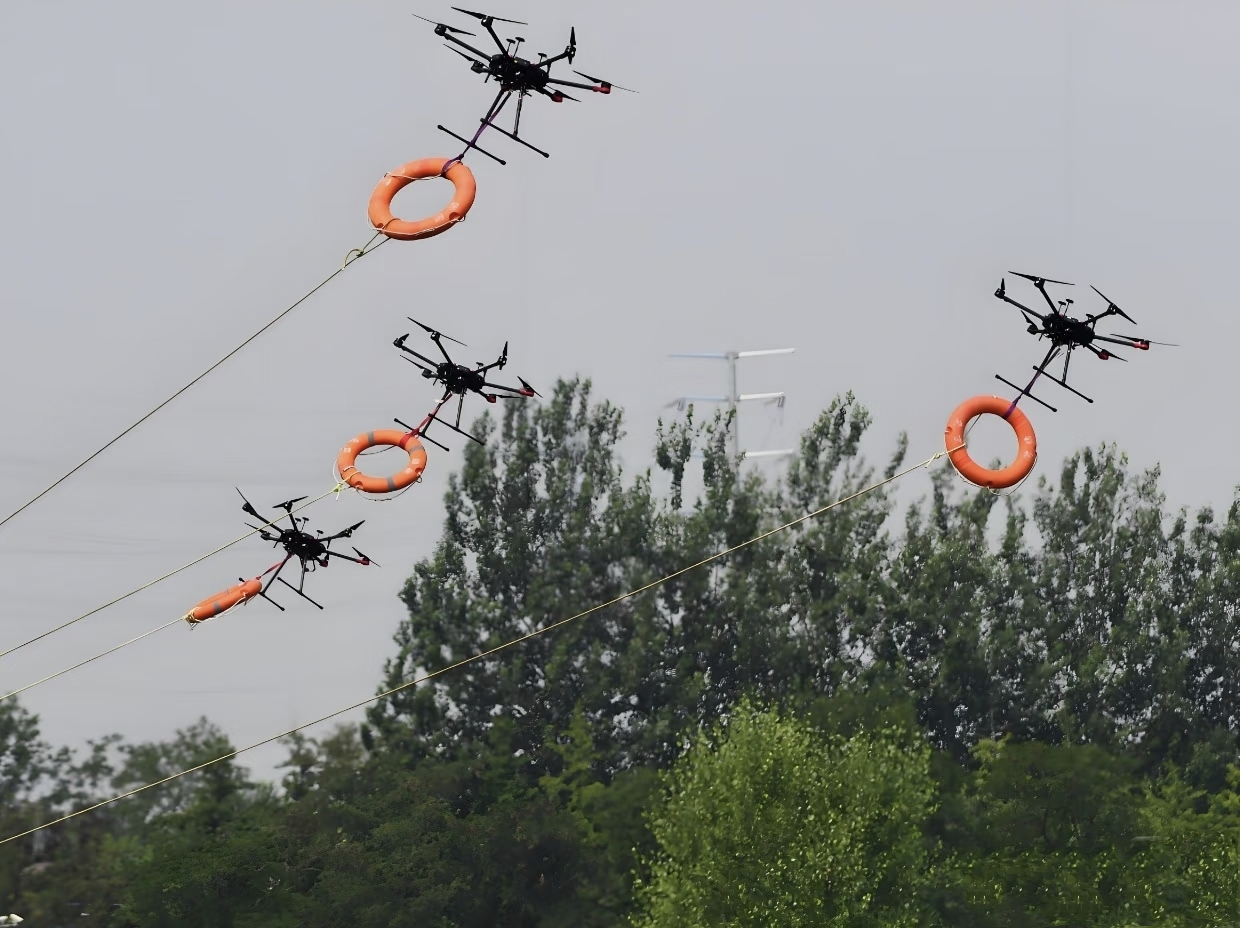
IV. Application Scenarios and Future Development Trends: Rescue drones have proven their value in practical applications, such as: using thermal imaging technology to locate missing persons in dense forests and mountainous areas; rapidly delivering medical supplies such as blood in Rwanda and other regions; quickly generating high-resolution maps after earthquakes to assess the disaster situation; and dropping life-saving equipment to those in the water during maritime rescue operations.

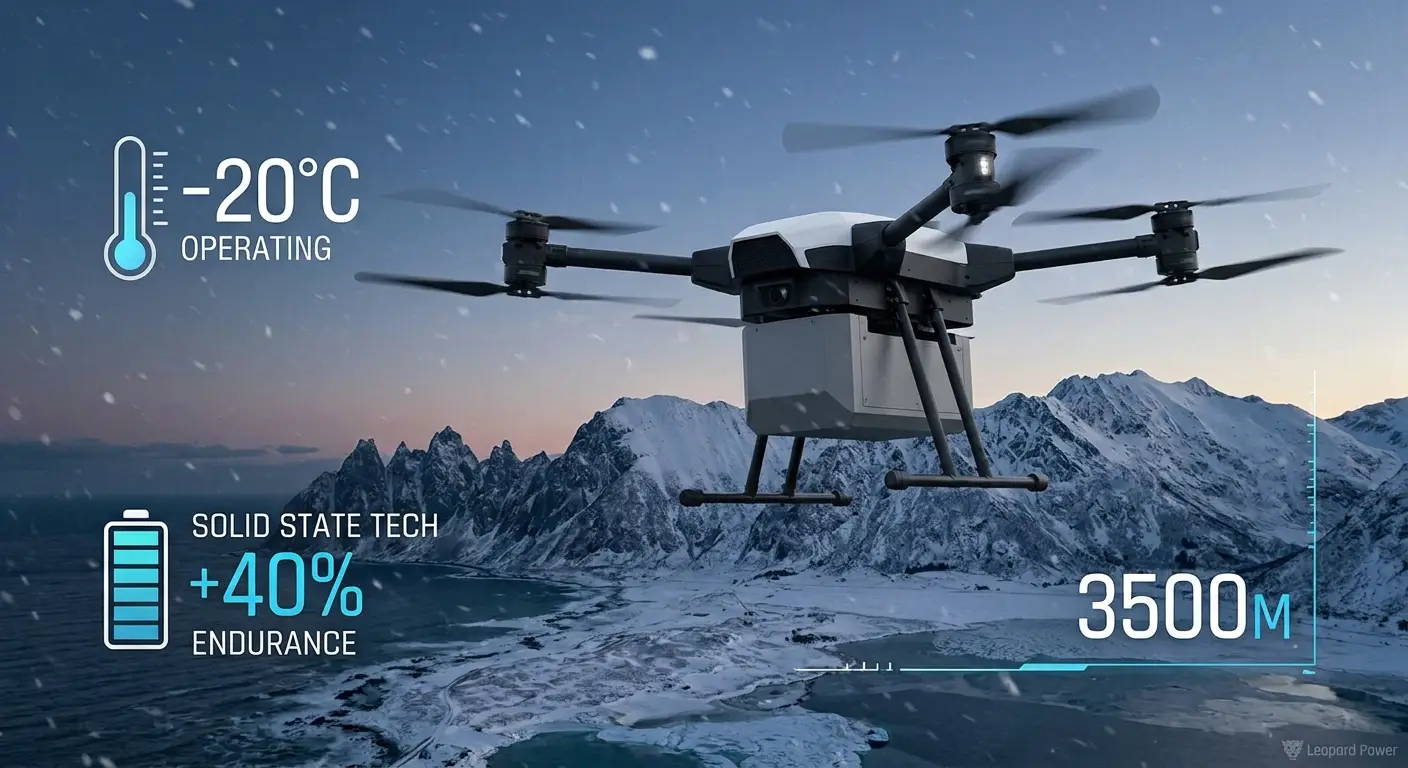
Looking ahead, the development of rescue drones will exhibit several key trends: AI-driven autonomous operation; the adoption of next-generation energy technologies such as solid-state batteries to improve flight time and safety; multi-drone collaboration through swarm technology to expand search coverage; enhanced data transmission capabilities via 5G and satellite communication; and the development of modular, multi-functional payloads to quickly adapt to different mission requirements.

V. Conclusion Undoubtedly, rescue drones, with their rapid response, risk avoidance, and precision operations, have become an indispensable part of modern emergency rescue. With the continuous evolution and integration of related technologies, they will more efficiently protect lives globally.

As a professional drone battery solution provider, we deeply understand the importance of reliable power for rescue missions. We offer a range of battery products with high energy density, excellent discharge performance, and stable safety characteristics, committed to providing long-lasting flight support for various rescue drones. For customized power solutions for your equipment, please feel free to contact our technical team.

Picture of LeopardPowerAdmin

LeopardPowerAdmin

Welcome To Share This Page:
Product Categories
Latest News
Get A Free Quote Now !
Contact Form

Related Products

Related News

Industrial Drone Battery: How to Balance Capacity, Discharge Rate, and Energy Density Industrial drones are widely used in agriculture, logistics,

How to Choose the Right Drone Battery: Capacity, Discharge Rate, and Energy Density As drones become increasingly important in agricultural

2026年5月1日,中国的《无人机用锂离子电池和电池组规范》(GB/T 46460-2025)正式生效。 该标准由工业和信息化部提出,并由包括新和达、ATL、大疆创新、美团低空物流等近20家领先企业联合起草,被称为无人机电池的“飞行认证”。它的实施意味着无人机电池已从“可用”升级到“符合飞行标准”。 为什么需要这个标准? 近年来,无人机电池市场发展迅猛,但也呈现出混乱局面。夸大容量、虚假C值、劣质电芯等现象充斥市场,导致飞行途中断电、电池膨胀甚至起火等事故频发。行业长期缺乏统一的测试方法和安全标准,用户大多只能依靠猜测和反复试验来选择电池。 GB/T 46460-2025 的制定正是为了解决这个问题。它明确规定了无人机用锂离子电池和电池组的技术要求、测试方法、安全标准和标签规范,涵盖电芯、电池管理系统 (BMS) 和电池组三个层面。 要点 1. 更严格的安全要求 该标准针对过充、过放、短路、跌落、热冲击等安全项目制定了明确的测试方法和合格标准。特别是,热失控传播测试要求,当单个电芯发生热失控时,不得引发相邻电芯的连锁反应。 2. 更标准化的性能测试: 针对无人机应用的高倍率、高电流特性,该标准定义了连续放电、脉冲放电以及高/低温放电测试的统一条件。未来,客户在比较不同厂商的电池时,将拥有一个公平的测试基准。 3. 更清晰的标签和可追溯性 电池组必须标明额定容量、能量、电压、生产日期、制造商信息,并且必须有可追溯的批号。这有利于清关、售后服务和质量跟踪。

Selecting the right lithium polymer (LiPo) battery is one of the most important decisions when developing a drone. The battery

Discover how Leopard Power’s advanced solid-state and high-energy-density LiPo batteries solve key drone operations challenges in extreme cold, high altitude,

As the global unmanned aerial vehicle (UAV) industry enters an era of rapid expansion, the demand for power solutions that

As the global unmanned aerial vehicle (UAV) industry enters a period of unprecedented expansion, the demand for power solutions that

Logistics and delivery are being reshaped, enabling faster and more efficient transportation of goods across diverse terrains and industries. Whether

Scroll to Top

Get A Free Quote Now !

Contact Form
If you have any questions, please do not hesitate to contact us.